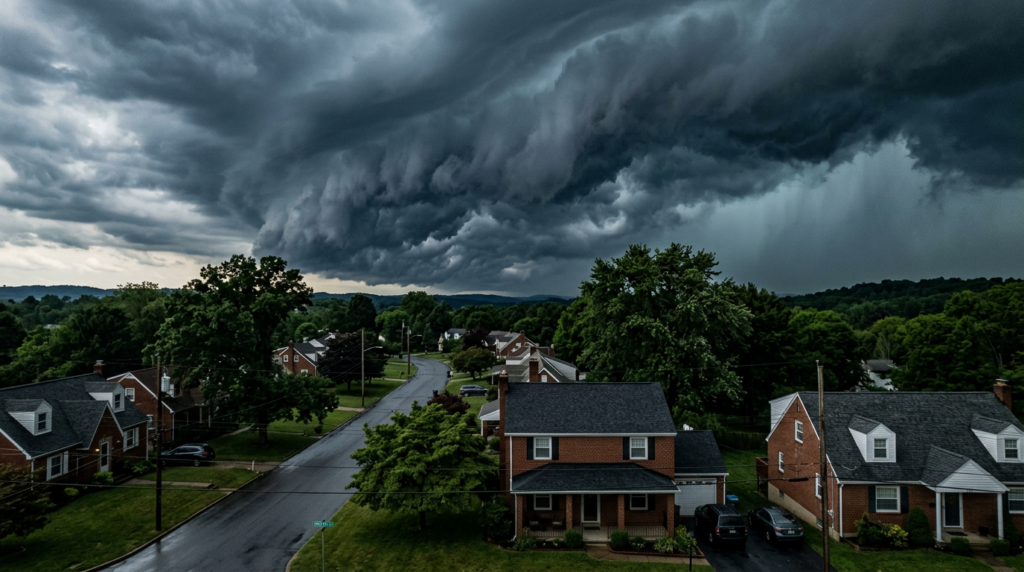
Pennsylvania is no stranger to severe weather. From the sudden, heavy-hitting hailstorms that rolled through Reading and Wyomissing recently to the high-wind events that frequently sweep across Berks County, our local roofs take a beating.
When a storm hits, the damage isn’t always as obvious as a fallen tree. Often, it’s a “silent” issue that leads to massive headaches down the road. If you think your home has been affected, here is what you need to know about navigating the storm damage and insurance claim process.
1. Spotting the Damage: What to Look For
After the clouds clear, your first instinct might be to look for missing shingles. While that is a clear sign, storm damage often hides in plain sight.
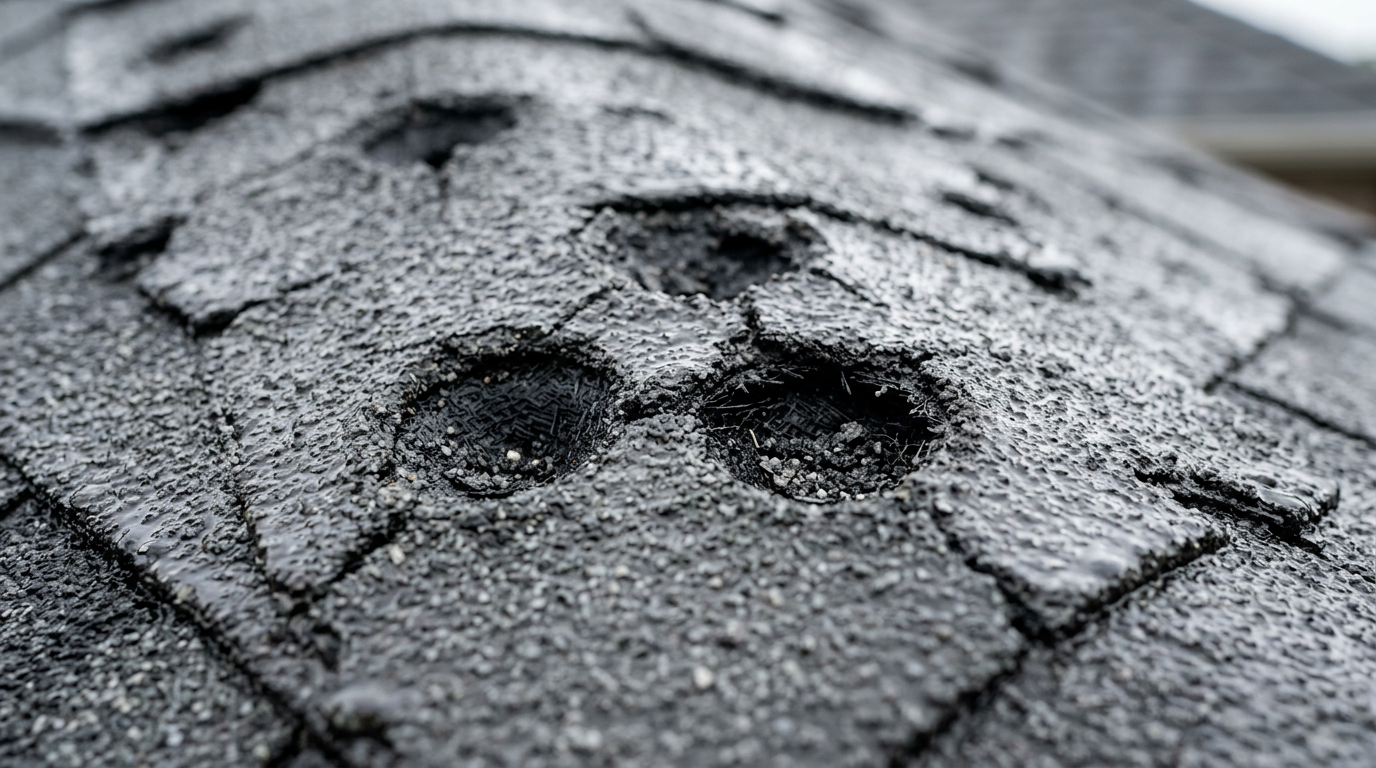
- Hail “Bruises”: On asphalt shingles, hail leaves small, dark, circular indentations. These aren’t just cosmetic; they knock away the protective granules, exposing the underlying mat to UV rays and water.
- Wind Lift: Strong gusts can break the sealant bond of a shingle. Even if the shingle didn’t blow off, if it’s “creased” or flapping, it’s no longer protecting your home.
- Gutter Debris: Check your downspouts. If you see an unusual amount of shingle granules (it looks like coarse sand), your roof just lost years of its life in a single afternoon.
- Dented Metal: Look at your gutters, siding, and attic vents. If they are dented, it’s a high-probability indicator that your shingles took a hit too.
2. The Insurance Clock is Ticking
In Pennsylvania, most homeowners’ policies have a specific window for filing a storm damage claim which is often 30 to 60 days from the date of the event, though some offer up to a year.
Wait too long, and your claim could be denied. Even if you don’t see a leak today, that hail damage from last week could cause a major failure next winter. Filing promptly creates a paper trail and ensures your coverage is active.
3. Why a Local Contractor Beats a “Storm Chaser”
After a major storm in Berks, Chester, or Montgomery Counties, you’ll likely see out-of-state “storm chasers” knocking on doors. They offer quick fixes and big promises, but here is why Full House Roofing recommends sticking with a local partner:
- Knowledge of Local Codes: Every municipality in PA has different building requirements. A local contractor knows exactly what’s needed for a permit in Birdsboro versus Pottstown.
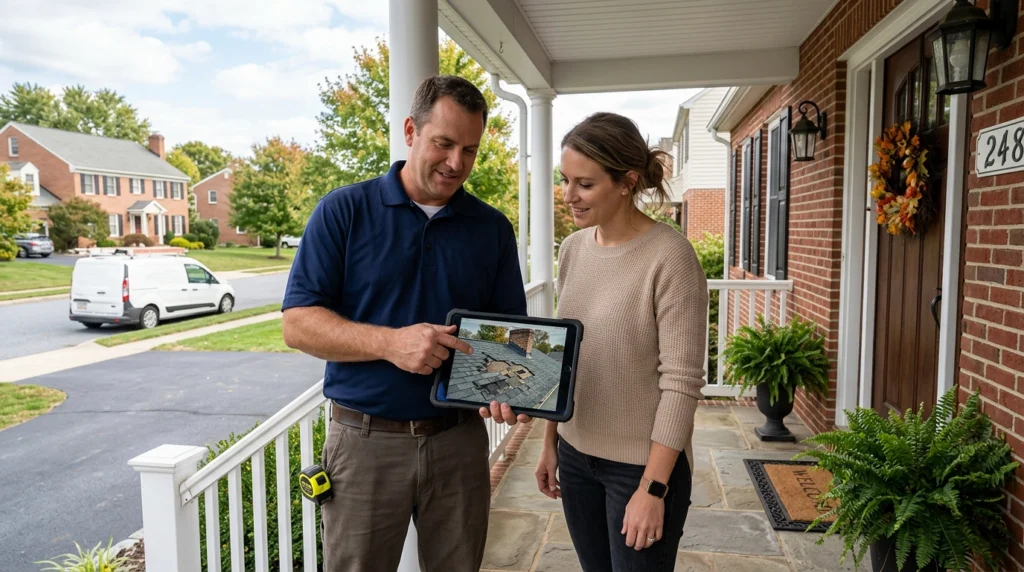
- Adjuster Advocacy: We don’t just give you a quote; we can be on-site when your insurance adjuster arrives. Having a professional there to point out “hidden” damage ensures your settlement actually covers the full cost of the repair.
- Accountability: If a storm chaser leaves town and your roof leaks six months later, you’re out of luck. We live and work here and our reputation is our livelihood.
The 4-Step Action Plan After a Storm
| Step | Action | Why it Matters |
| 1 | Safety First | Never climb a damaged roof. Do a visual check from the ground. |
| 2 | Document | Take photos of the yard, any debris, and visible interior leaks. |
| 3 | Call a Local Pro | Get a professional inspection before calling insurance to verify if a claim is warranted. |
| 4 | File the Claim | Use your contractor’s detailed report to provide your insurance company with clear evidence. |
Protecting Your Investment
At Full House Roofing, we’ve spent years helping our neighbors in Birdsboro and across the Tri-County area restore their homes after the worst PA weather. We handle the technical details so you can focus on getting your life back to normal.
Did a recent storm leave you wondering about the state of your roof?
Contact Us